My $100 computer, and five places AI earns its keep
My last couple of articles took what you could call a dim view of AI and the role it will play in society. I still believe we need to proceed with caution. But overall, I'm very optimistic about what AI can do for people, and I want to show you why.
In the past few months I've gotten more done with AI than I would have thought possible. Despite the fact that it is often promoted as such, AI is not a magic pill that turns $89 into tens of thousands overnight. Believe me, I have tried. It is, however, a serious time saver in a lot of everyday situations.
Here's a very simple everyday example of how AI helped me recently. Quick backstory: I'm frugal. My wife might describe that trait a little differently, but I love a bargain. I can't stand the thought of paying full retail for the latest and greatest computer when eBay has one with all the processing power I need for about $100.
Well, my inexpensive eBay computer started shutting down at random. I described the problem to Claude, ran the few diagnostics it suggested, and ten minutes later I knew what was wrong and how to fix it. I'm not a hardware guy. Tracking that down on my own would have normally taken 8 to 12 hours.
I see the same thing in my business, building websites and apps for other businesses. Recently I built a receipt scanner for tracking rehab expenses by real estate property. You take a picture of a receipt, assign it to a property, and it lands in a spreadsheet the accountant can open. A pile of receipts that used to eat a weekend becomes a few taps at the checkout counter.
You don't need a custom app to get that kind of payoff. Here are five places AI can save you real time right now, with tools you probably already have. The first three are everyday jobs. The last two are ones most owners never think to try.
Clearing out the inbox. Paste in a batch of customer emails and ask it to sort them into what needs you today and what can wait. Then have it draft replies to the routine ones, like your hours, directions or "did you get my order." You end up writing the few that actually need you and just editing the rest.
Making sense of your numbers. Upload a sales export or your P&L and ask the questions you'd ask a bookkeeper if you had one on call. Which month dipped, and what changed? Which customers used to order every few weeks and have gone quiet? You get the answer in plain English instead of a pivot table. Before you act on anything, check it against your actual numbers, because it can misread a column.
Marketing copy that sounds like you. Social posts, the About page on your website, a promo email for a slow week. The trick is giving it your voice first. Paste in two or three things you've written and liked, tell it who you're talking to, and ask it to match. The draft still needs your hand, but you start most of the way there instead of at a blank screen.
Mining your own reviews and complaints. Pull every Google review, customer complaint and survey comment from the past year into one document and ask what keeps coming up. Most owners read these one at a time as they arrive, which is exactly how you miss that the same complaint about wait times showed up a dozen times. An afternoon of this can tell you what to fix first.
Writing down how your business actually runs. Record yourself talking through how you run payroll, close out the month or bring on a new client. Then paste in the transcript and ask for step-by-step instructions someone new could follow. Most small businesses live in the owner's head. That works fine until you get sick, hire help or decide to sell. A written playbook makes the business easier to hand off, and buyers and lenders notice when one exists.
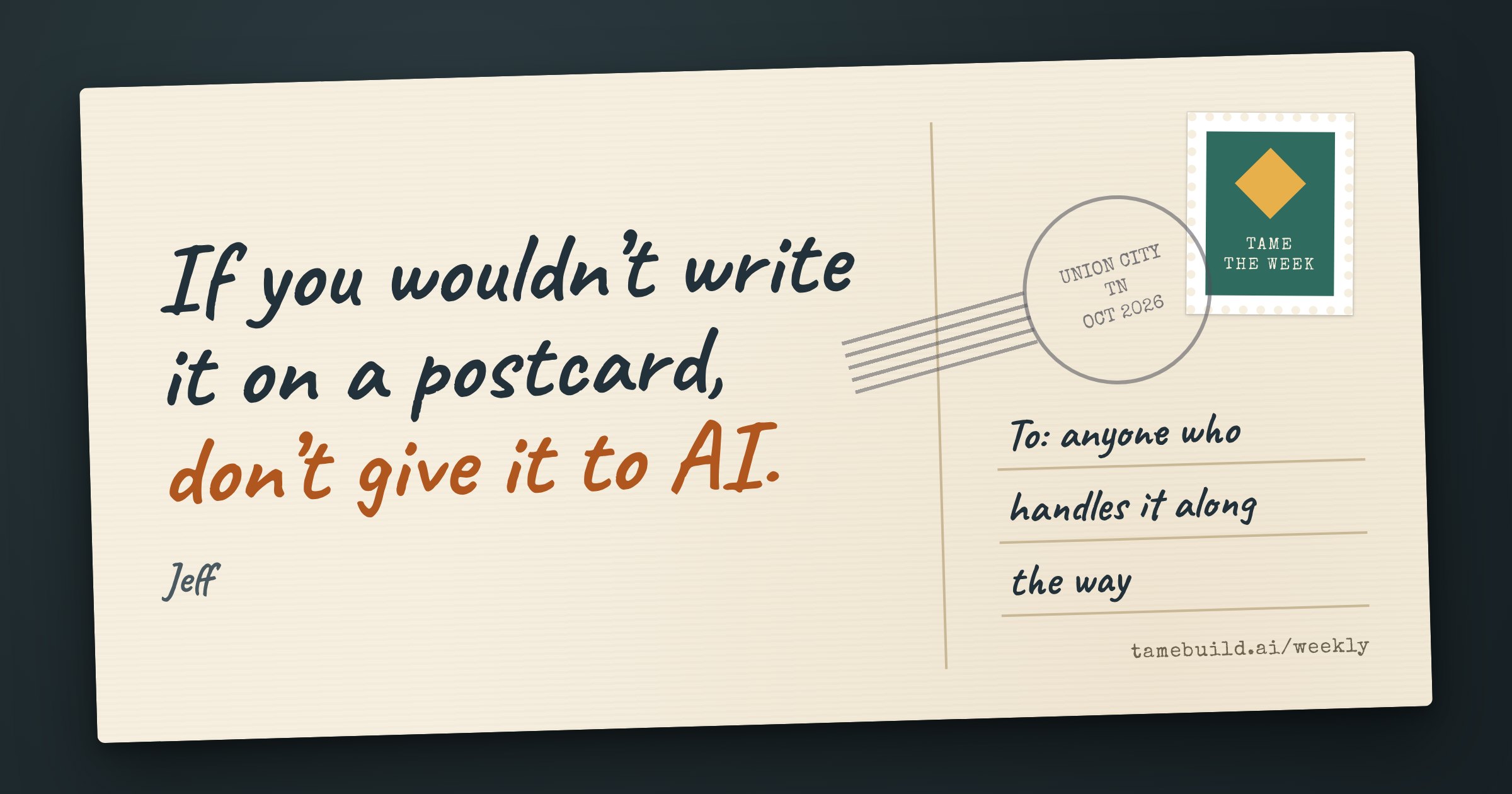
A couple of cautions, because I haven't completely changed my stripes. Don't paste in passwords or customer card numbers. If you wouldn't write it on a postcard, don't give it to AI. When you paste in customer emails or reviews, strip out account numbers and anything personal the AI doesn't need. And check any number or fact that matters before you rely on it. If an answer sounds awfully sure of itself, ask where it came from.
Used that way, AI is like having a patient expert next to you who never gets tired of questions. For a small business owner who wears every hat, that adds up to a lot of hours back every month.
What's the job in your business that eats more time than it should? Hit reply and tell me. I read every one, and the best answers may show up in a future issue.